
Energy Systems Lead, Oxfordshire County Council
An introduction to Oxfordshire’s Local Area Energy Plan: why we’re planning now and how it will shape a fair, clean energy future for our communities.
December 2, 2025
This first blog post is written by me, Sarah Kerr, the Energy Systems Lead at Oxfordshire County Council. As someone who’s passionate about shaping a sustainable future for Oxfordshire, I’m delighted to be the OxLAEP Programme Manager. My journey in energy systems has shown me how vital local action is, and I’m proud to work alongside dedicated colleagues, partners and communities to make real change happen.
Why Oxfordshire is doing this now
Energy is changing fast. More electric cars, more renewable energy, and rising energy costs mean we need to plan ahead. But this isn’t just about responding to change—it’s about shaping it. Oxfordshire has big ambitions for climate action, and we want our communities to be at the heart of the move to net zero, not just passengers on the journey.
By planning now, we’re making sure decisions about our energy future are made by and for the people who live and work here. This means giving communities a real voice in how we move towards net zero and making choices that reflect local needs and priorities. Proactive planning helps us avoid future problems like energy shortages and high bills, and ensures investment goes where it’s needed most.
Ultimately, OxLAEP is about empowering Oxfordshire to a cleaner, fairer energy system shaped by us rather than being imposed on us.
With that in mind, I’m excited to introduce the Oxfordshire Local Area Energy Plan (OxLAEP). If you’re wondering what a LAEP actually is, you’re not alone. Let’s break it down.
What is a Local Area Energy Plan (LAEP)?
A Local Area Energy Plan is a roadmap for how a place can move towards a cleaner, fairer, and more affordable energy system. It looks at everything from how we heat our homes to how we power transport and sets out practical steps to reach net zero.
Think of it as a plan that helps Oxfordshire make smart choices about energy - where it comes from, how it’s used, and how we can make it work better for everyone.
The benefits for Oxfordshire
This isn’t just about cutting carbon – it’s about creating a stronger, fairer economy and improving everyday life:
What does this mean for you?
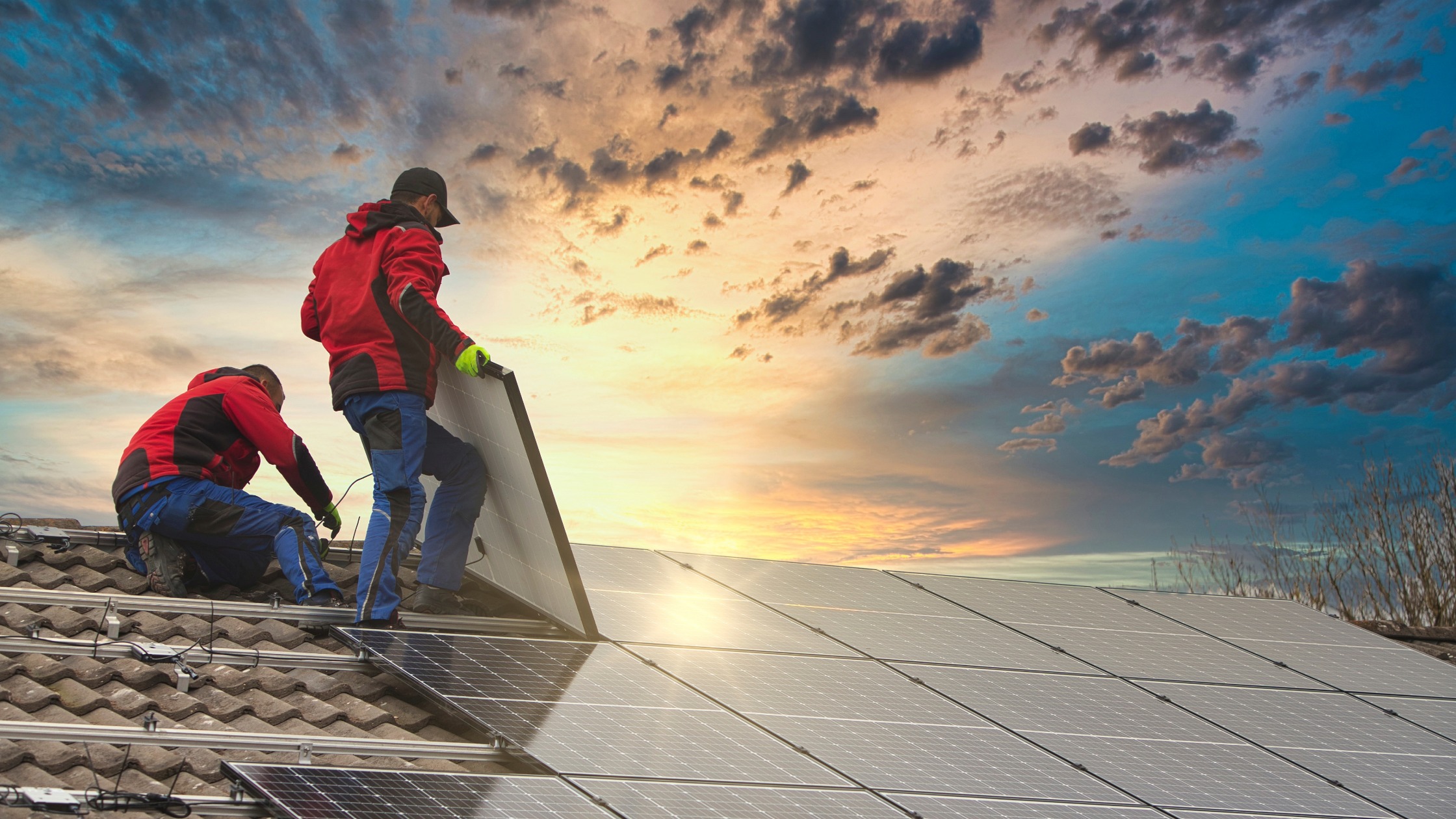
This project is about people, places, and the choices we make together. In other words, it’s about everyday life supported by technology. It could mean easier access to electric vehicle charging, support for home energy improvements, and community projects like local solar schemes. This is why this project is close to my heart.
Who’s involved and how it’s governed
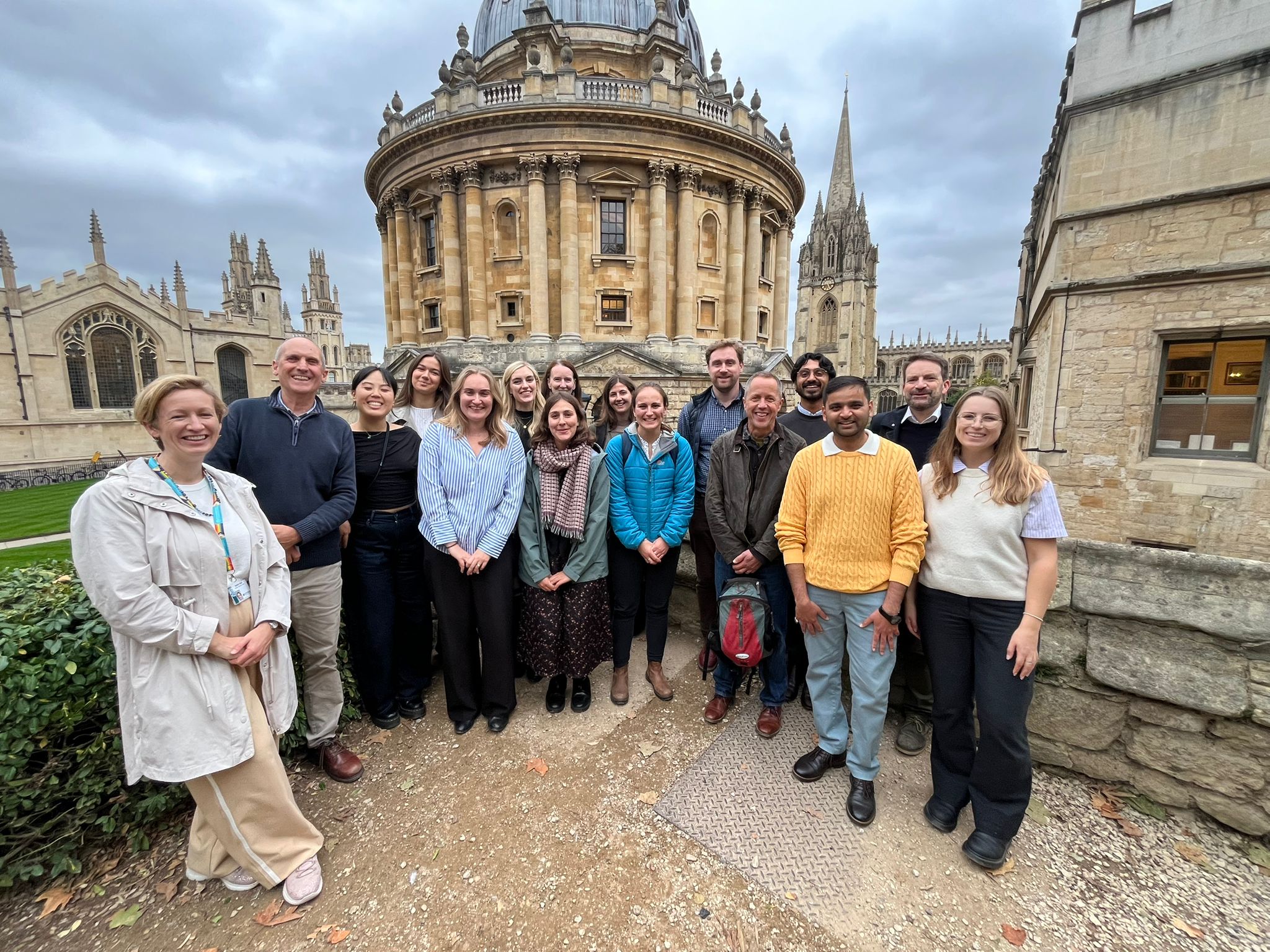
OxLAEP is a partnership effort commissioned by the Oxfordshire Leaders Joint Committee. All five district councils - Cherwell, Oxford City, South Oxfordshire, Vale of White Horse, and West Oxfordshire - and Oxfordshire County Council are working alongside expert partners Arup and Global City Futures. I’m thrilled to be part of a team that brings together councils, experts, and local partners. Collaboration is at the heart of OxLAEP, and I believe it’s the key to unlocking new opportunities for our county.
The programme is overseen by a steering board, which includes representatives from all local councils, the award-winning Oxford based Low Carbon Hub, and industry leaders including the electricity and gas network operators. This governance ensures decisions are transparent and joined up across the county, whilst ensuring a strong local focus for each district’s unique needs.
Our objectives
Phases of the project
We’ve split the OxLAEP project into three main phases:
How to get involved
We want to hear your voices throughout the project. We’re inviting residents, businesses, community groups, and industry partners to help shape Oxfordshire’s energy future. Here are some of the ways to participate:
You can also contact the team via LAEP@oxfordshire.gov.uk.
I feel incredibly proud to be part of this journey with you all. Oxfordshire’s energy future is something we’re building together, and I’m genuinely excited to hear your ideas and work alongside our communities as we take the next steps.
Thank you for reading - and I look forward to sharing more updates and hearing from you as we shape a brighter future for Oxfordshire.